






Bioactive Secondary Metabolites of Plants and Microorganisms
Our research focuses primarily on natural toxins in the food chain, particularly mycotoxins and their modified forms, as well as their interactions with other biologically active secondary metabolites. We combine analytical chemistry, metabolomics, microbiology, and toxicology to investigate their occurrence, transformations, bioavailability, and biological effects. The results of our research contribute to the development of novel analytical methods, more accurate risk assessment, and improved food safety.
Our research group is part of an extensive network of national and international partnerships. We collaborate with experts in analytical chemistry, microbiology, biotechnology, plant sciences, medicine, and bioinformatics. Our long-standing partners include Charles University, the Czech Academy of Sciences, the National Centre for Agricultural and Food Research, and other research institutions in the Czech Republic. Internationally, we collaborate with institutions such as the University of Natural Resources and Life Sciences Vienna (BOKU), the Technical University of Munich, Wageningen University & Research, and the University of Parma. These interdisciplinary collaborations enable us to combine modern analytical approaches with biological, toxicological, and omics methods and to address current challenges in food safety and natural toxin research.
Research topics
Modified (Glycosylated) Mycotoxins and Hidden Exposure
We study modified (“masked”) mycotoxins formed as part of the natural defence response of plants to fungal infection. These compounds may escape conventional analytical methods, potentially leading to an underestimation of actual consumer exposure. Our research focuses on the preparation of analytical standards, assessment of their occurrence in food, identification of novel conjugates, and development of methods for determining total mycotoxin content, including their bound forms. We also investigate their relevance to health risk assessment and future regulatory frameworks.
Bioavailability, Metabolism, and Health Effects of Natural Toxins
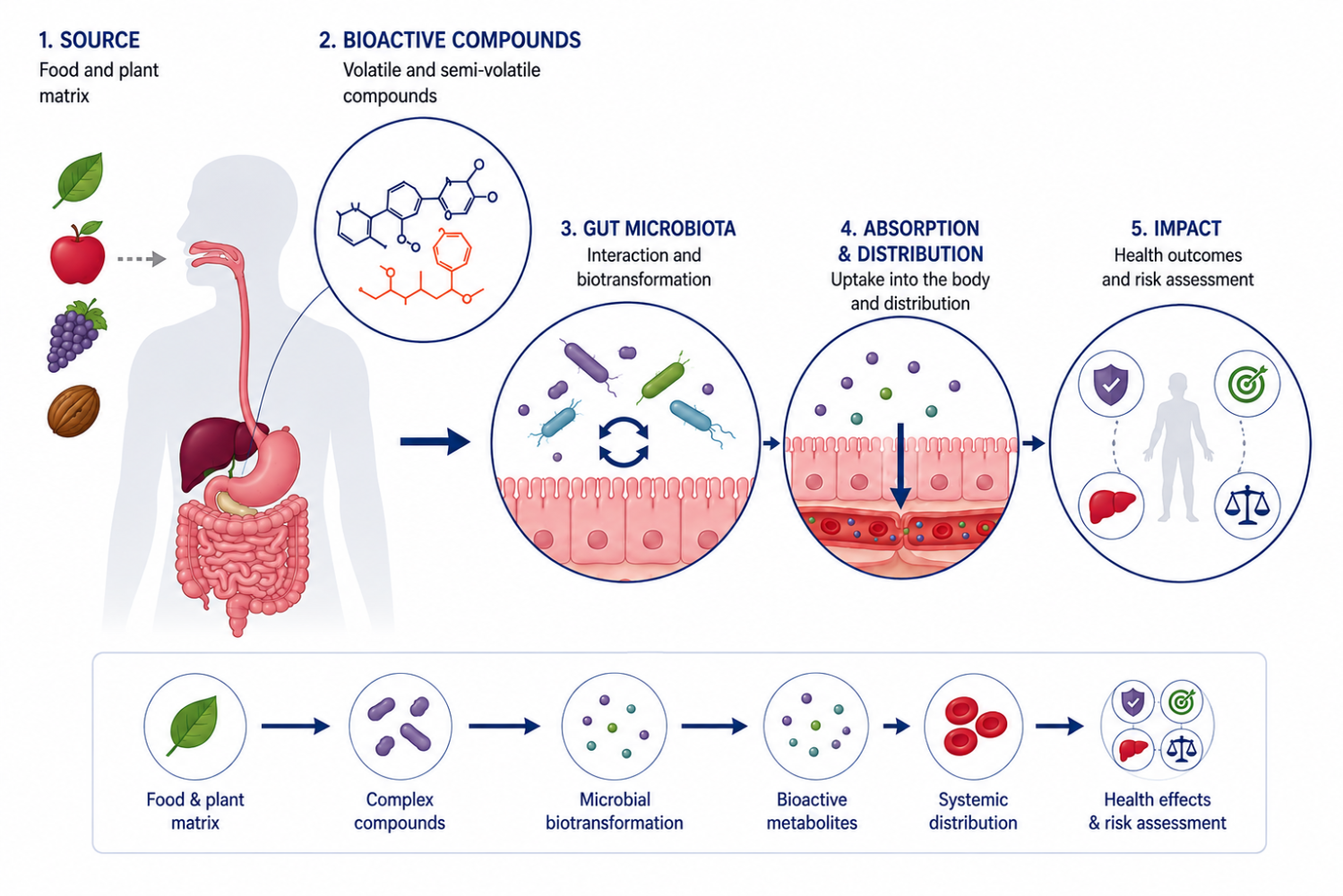
The mere presence of natural toxins in food does not necessarily reflect their actual health risk. What matters is how these compounds are released during digestion, whether they are absorbed across the intestinal barrier, and how they are biotransformed in the human body. Our research focuses particularly on the bioavailability of both free and modified mycotoxins, their interactions with the gut microbiota, and the mechanisms of transport across the intestinal epithelium. We use simulated models of the upper and lower gastrointestinal tract, cellular models of the intestinal barrier, and advanced analytical approaches based on high-resolution mass spectrometry. Our findings contribute to more accurate health risk assessment and a better understanding of the biological fate of natural toxins in the human body.
Occurrence of Natural Toxins in the Food Chain
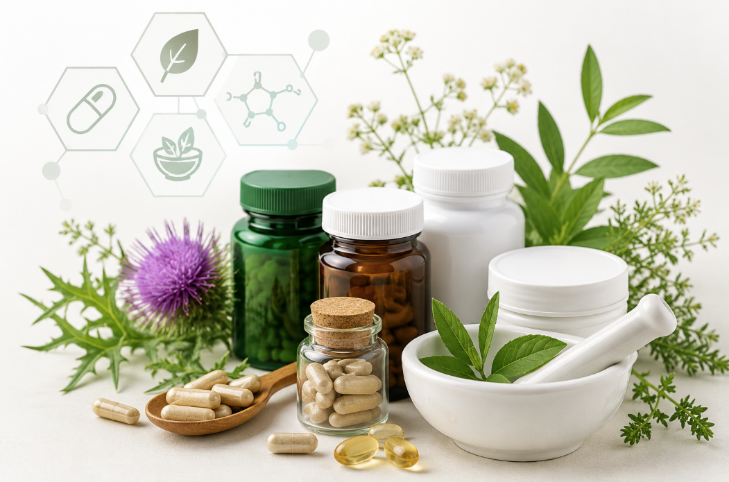
We investigate the occurrence of mycotoxins, plant alkaloids, and other biologically active secondary metabolites in food and feed. Our research covers cereals, fermented products, dietary supplements, medicinal plants, alternative protein sources, and other food commodities that may represent significant sources of human exposure. Our work includes contamination monitoring, investigation of factors affecting the formation and transfer of toxins throughout the food chain, and assessment of their relevance to food safety.
Technologies for Reducing Contamination and Transforming Natural Toxins
We investigate modern physical and technological approaches for reducing the levels of mycotoxins, alkaloids, and other natural toxins in food and plant materials. Our research focuses particularly on non-thermal technologies, such as cold plasma and pulsed electric fields. In addition to evaluating decontamination efficiency, we investigate the chemical transformation of toxins, the formation of novel degradation products, and their potential biological and toxicological effects. Our research also assesses the impact of these technologies on the nutritional value and the content of biologically active compounds in treated matrices.
Feed Safety and Protection of Livestock Health
Mycotoxin contamination of feed poses a significant risk to animal health, welfare, and production performance, while also affecting the safety of the entire food chain. Our research focuses on developing innovative strategies to mitigate these adverse effects through functional feed additives combining natural adsorbents with high affinity for mycotoxins and bioactive plant compounds with antioxidant, anti-inflammatory, and cytoprotective properties. We investigate the physicochemical properties of adsorbent materials, the mechanisms of their interactions with mycotoxins, and their potential combinations to achieve maximum efficacy. At the same time, we evaluate the protective potential of phytogenic compounds against tissue and immune system damage induced by mycotoxin exposure. The proposed approaches are validated using both in vitro models and in vivo experiments in livestock, with the aim of developing safe and effective solutions for modern animal production.
Advanced Analytical Chemistry, Metabolomics, and Multi-Omics
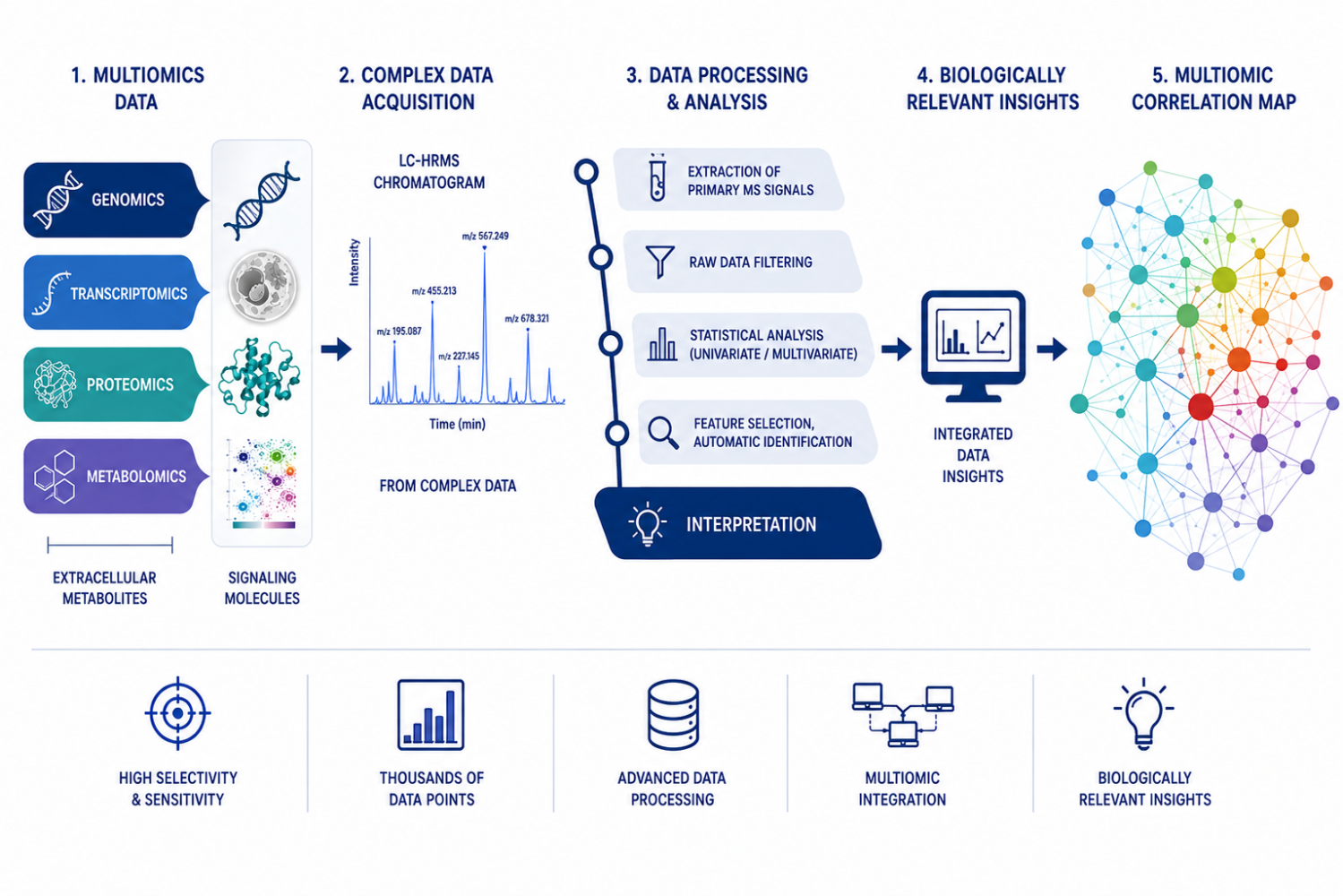
The development and application of modern analytical approaches represent a fundamental pillar of our research. We employ advanced chromatographic and mass spectrometric techniques, particularly UHPLC-HRMS/MS, for both targeted and untargeted analysis of natural toxins, their metabolites, and other biologically active compounds. In addition to conventional analytical chemistry, we focus on metabolomics and multi-omics approaches that enable comprehensive investigation of biological systems and their responses to biotic and abiotic stress. By integrating metabolomic, transcriptomic, and other omics data, we aim to gain a deeper understanding of interactions among plants, microorganisms, and their metabolites. Our research also involves the processing of large datasets generated by modern HRMS and omics approaches, the application of chemometric and bioinformatic methods, and the integration of information across multiple data layers to derive biologically relevant insights.
Dolezalova T., Prusova N., Behner A., Dzuman Z., Michlmayr H., Berthiller F., Hajslova J., Kren V., Stranska M.: From invisible to quantifiable: unmasking non-extractable HT2/T2 glycosides. Food Chemistry (2026) 514: 149121. (doi: 10.1016/j.foodchem.2026.149121)
Stranska M., Rezanka T., Kren V.: Glycosylated mycotoxins: a hidden enemy. Natural Products Reports (2026) 1(43): 200-226. (doi: 10.1039/D5NP00057B)
Behner A., Palicova J., Tobolkova A.-H., Prusova N., Stranska M.: Pulsed Electric Field Induces Significant Changes in the Metabolome of Fusarium Species and Decreases Their Viability and Toxigenicity. Toxins (2025) 17(1), 33. (doi10.3390/toxins17010033)
Behner A., Prusova N., Karabin M., Jelinek L, Hajslova J., Stranska M: Pulsed Electric Fields Reshape the Malting Barley Metabolome: Insights from UHPLC-HRMS/MS. molecules (2025) 30(19): 3953. (doi: 10.3390/molecules30193953)
Palicova J., Chrpova J., Tobolkova A., Ovesna J., Stranska M.: Effect of pulsed electric field on viability of Fusarium micromycetes. Cereal Research Communications (2025) 53(2): 913 - 919. (doi: 10.1007/s42976-024-00561-z)
Stranska M., Behner A., Ovesna J., Svoboda P., Hajslova J.: What Happens Inside the GerminatingGrain After Microbial Decontamination by Pulsed Electric Field? Data‐DrivenMulti‐Omics Helps Find the Answer. Metabolomics (2025) 30(4): 924 (doi: 10.20944/preprints202412.0917.v1)
Svoboda P., Ovesna J., Helmer S., Stranska M.: Pulsed Electric Field Treatment Modulates Gene Expression and Stress Responses in Fusarium-Infected Malting Barley. Plants (2025) 14(5):668. (doi:10.3390/plants14050668)
26-20649S: Milk thistle-based dietary supplements – liver protectants or hidden enemy? (GACR; 2026-2028)
24-10000S: Shedding light on glycosylated mycotoxins: their structure, occurrence, preparation, and health impacts (GACR; 2024-2026)
QL26010285: Comprehensive Approach to Mitigating the Adverse Effects of Mycotoxins in Monogastric Animal Nutrition (Ministry of Agriculture; 2026-2030)