






GC/MS
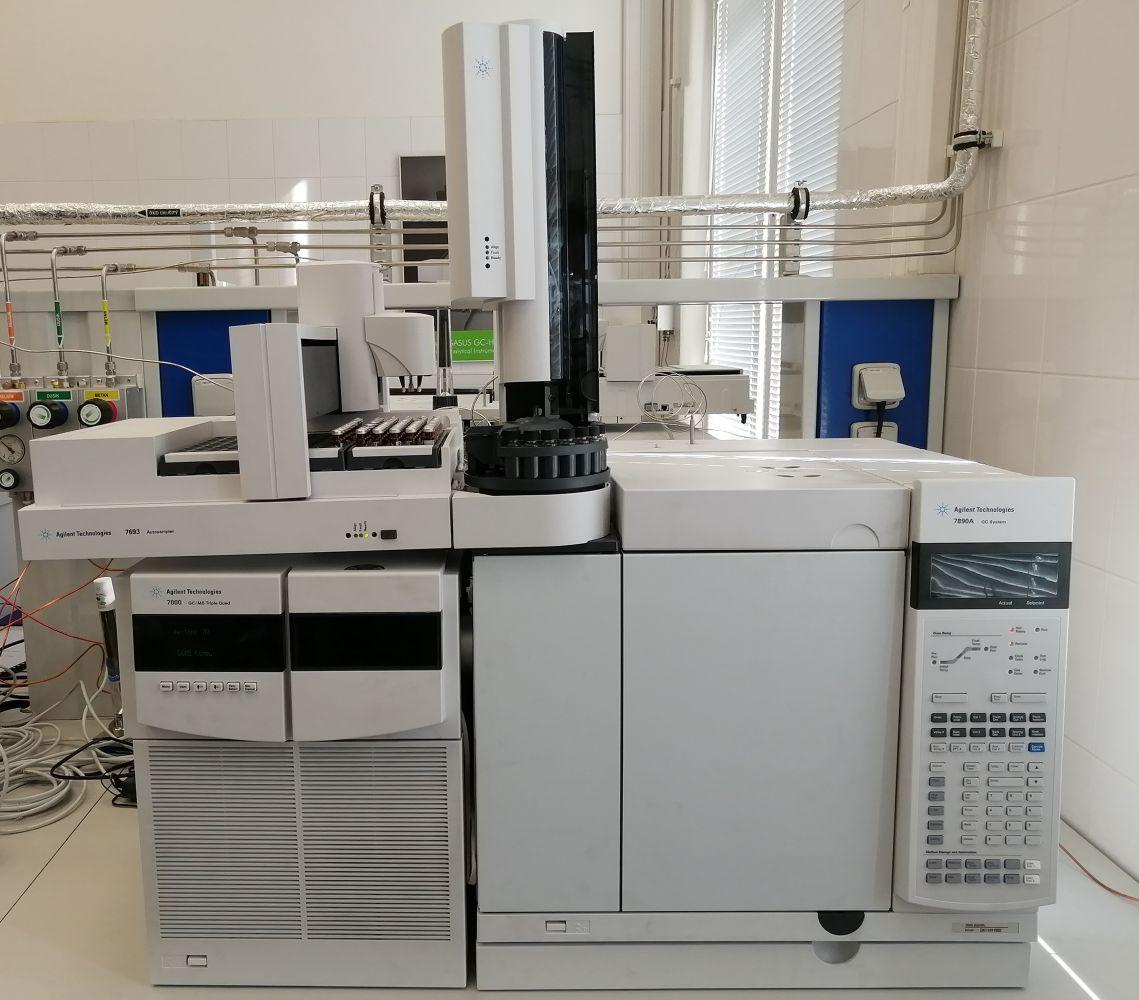 GC-MS/MS Agilent 7000B Triple Quadrupole
Gas chromatography coupled to tandem mass spectrometry (triple quadrupole) equipped with electron impact ionization technique is employed for the analysis of pesticide residues in a wide range of foodstuffs (e.g. fruit, vegetable, tea, cereals). This instrumentation allows to measure more than 300 pesticide residues in less than 30 minutes at ultra-trace concentrations in one run. This system is also equipped with a JetClean function for self-cleaning ion source with hydrogen.
Publications
Drabova L., Alvarez-Rivera G., Suchanova M., Schusterova D., Pulkrabova J., Tomaniova M., Kocourek V., Chevallier O., Elliot Ch., Hajslova J.: Food fraud in oregano: pesticide residues as adulteration markers. Food Chemistry (2019) 276:726-734. (doi:10.1016/j.foodchem.2018.09.143)
Cajka T., Sandy C., Bachanova V., Drabova L., Kalachova K., Pulkrabova J., Hajslova J.: Streamlining sample preparation and gas chromatography-tandem mass spectrometry analysis of multiple pesticide residues in tea. Anal. Chim. Acta (2012) 743:51–60. (doi: 10.1016/j.aca.2012.06.051)
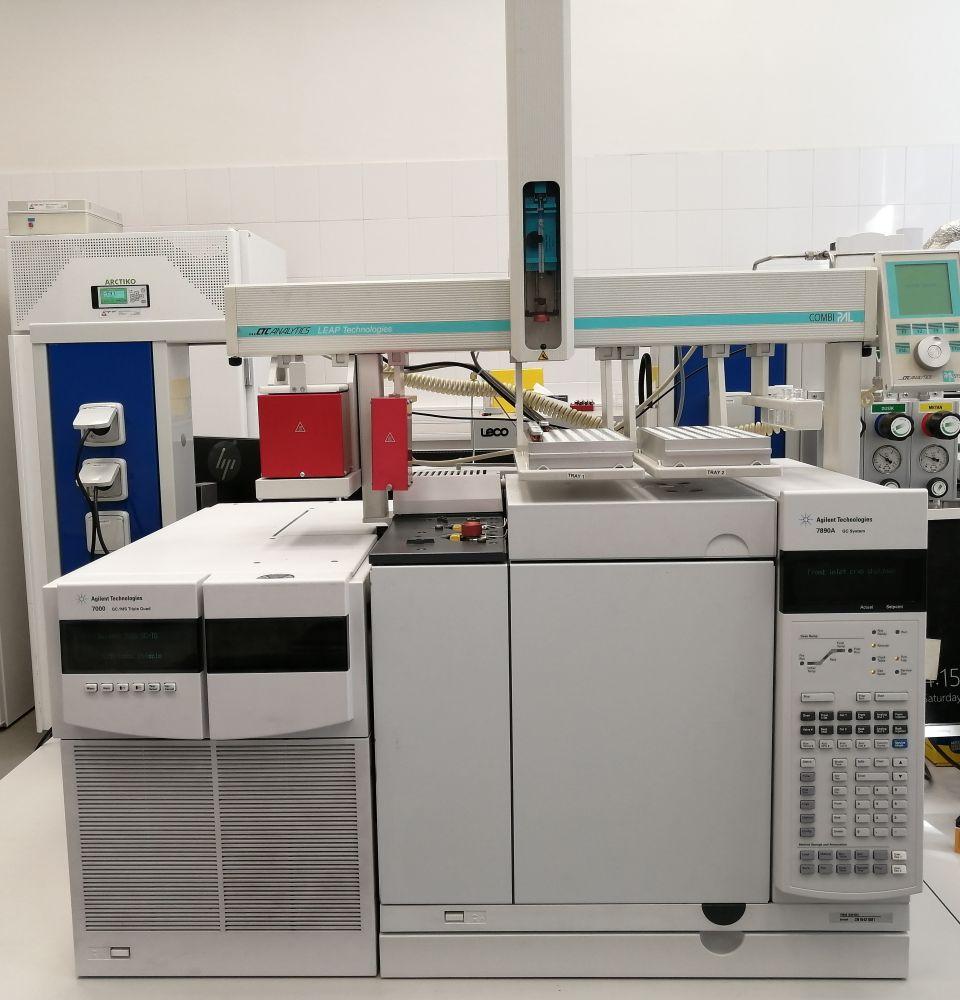 GC-MS/MS Agilent 7000B Triple Quadrupole
Gas chromatography coupled to tandem mass spectrometry (triple quadrupole) is particularly used for the analysis of environmental contaminants (e.g. polychlorinated biphenyls, flame retardants, organochlorine pesticides). Applications allow multi-detection analysis in a wide range of environmental (e.g. soil or atmosphere), food (e.g. meat, fat, fruit or vegetable) and biological (e.g. human breast milk or human blood serum) samples. This second triplequad system is also possible to operate in chemical ionization suitable particularly for the analysis of halogenated compounds and it is equipped with fully automated device for solid phase microextraction (CTC Pal) for the analysis of volatile compounds.
Publications
Polachova A., Gramblicka T., Parizek O., Sram R.J., Stupak M., Hajslova J., Pulkrabova J.: Estimation of human exposure to polycyclic aromatic hydrocarbons (PAHs) based on the dietary and outdoor atmospheric monitoring in the Czech Republic. Environmental Research (2020) 182: 108977. (doi: 10.1016/j.envres.2019.108977)
Logerova H., Tuma P., Stupak M., Pulkrabova J., Dlouhy P.: Evaluation of the burdening on the Czech population by brominated flame retardants. International Journal of Environmental Research and Public Health (2019) 16(21) 4105. (doi: 10.3390/ijerph16214105 )
Pulkrabova J., Cerny J., Szakova J., Svarcova A., Gramblicka T., Hajslova J., Balik J., Tlustos P.: Is the long-term application of sewage sludge turning soil into a sink for organic pollutants?: evidence from field studies in the Czech Republic. Journal of Soils and Sediments (2019) 19: 2445-2458. (doi:10.1007/s11368-019-02265-y)
Svarcova A., Lankova D., Gramblicka T., Stupak M., Hajslova J., Pulkrabova J.: Integration of five groups of POPs into one multi-analyte method for human blood serum analysis: An innovative approach within biomonitoring studies. Science of The Total Environment (2019) 667: 701-709. (doi: 10.1016/j.scitotenv.2019.02.336)
Szakova J., Pulkrabova J., Cerny J., Mercl F., Svarcova A., Gramblicka T., Najmanova J., Tlustos P., Balik J.: Selected persistent organic pollutants (POPs) in the rhizosphere of sewage sludge-treated soil: Implications for the biodegradability of POPs. Archives of Agronomy and Soil Science (2019) 65(7): 994-1009. (doi:10.1080/03650340.2018.1543945)
Pulkrabova J., Stupak M., Svarcova A., Rossner P., Rossnerova A., Ambroz A., Sram R., Hajslova J.: Relationship between atmospheric pollution in the residential area and concentrations of polycyclic aromatic hydrocarbons (PAHs) in human breast milk. Science of the Total Environment (2016) 562: 640-647. (doi: 10.1016/j.scitotenv.2016.04.013)
Kalachova K., Cajka T., Sandy C., Hajslova J., Pulkrabova J.: High throughput sample preparation in combination with gas chromatography coupled to triple quadrupole tandem mass spectrometry (GC-MS/MS): a smart procedure for (ultra)trace analysis of brominated flame retardants in fish. Talanta (2013) 105:109–116.(doi: 10.1016/j.talanta.2012.11.073)
Kalachova K., Pulkrabova J., Cajka T., Drabova L., Stupak M., Hajslova J.: Gas chromatography–triple quadrupole tandem mass spectrometry: A powerful tool for the (ultra)trace analysis of multi-class environmental contaminants in fish and fish feed. Anal. Bioanal. Chem., (2013) 405: 7803–7815 (doi: 10.1007/s00216-013-7000-4)
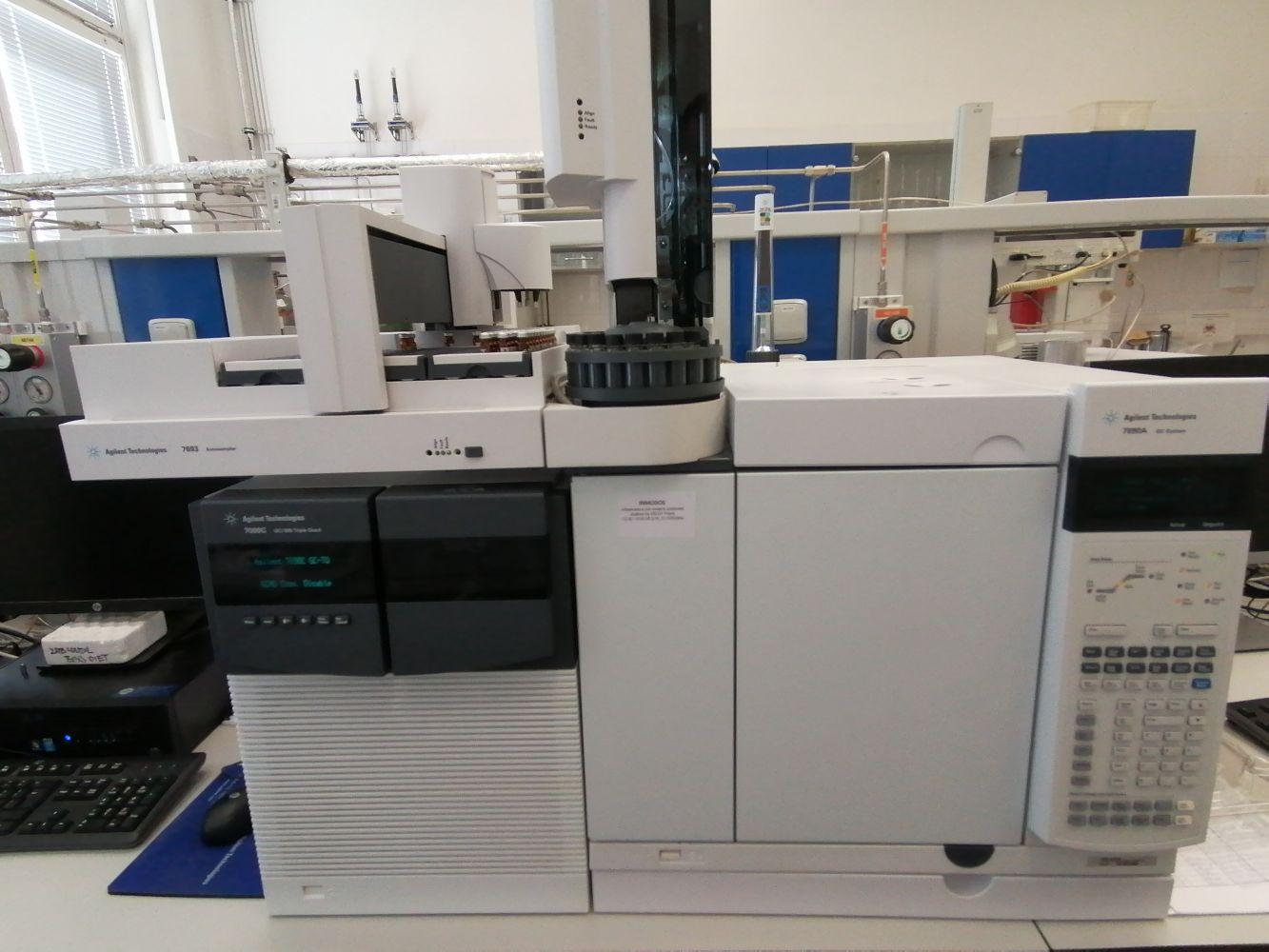 GC-MS/MS Agilent 7000C Triple Quadrupole
Gas chromatography coupled to tandem mass spectrometry (triple quadrupole) is an alternative technique to a system Agilent 7000B for the analysis of environmental contaminants (e.g. polychlorinated biphenyls, flame retardants, organochlorine pesticides). Applications allow multi-detection analysis in a wide range of environmental (e.g. soil or atmosphere), food (e.g. meat, fat, fruit or vegetable) and biological (e.g. human breast milk or human blood serum) samples. By Agilent 7000C system we can achieved lower limits of quantification for target analytes compared to the system Agilent 7000B. This system is also equipped with a JetClean function for self-cleaning ion source with hydrogen.
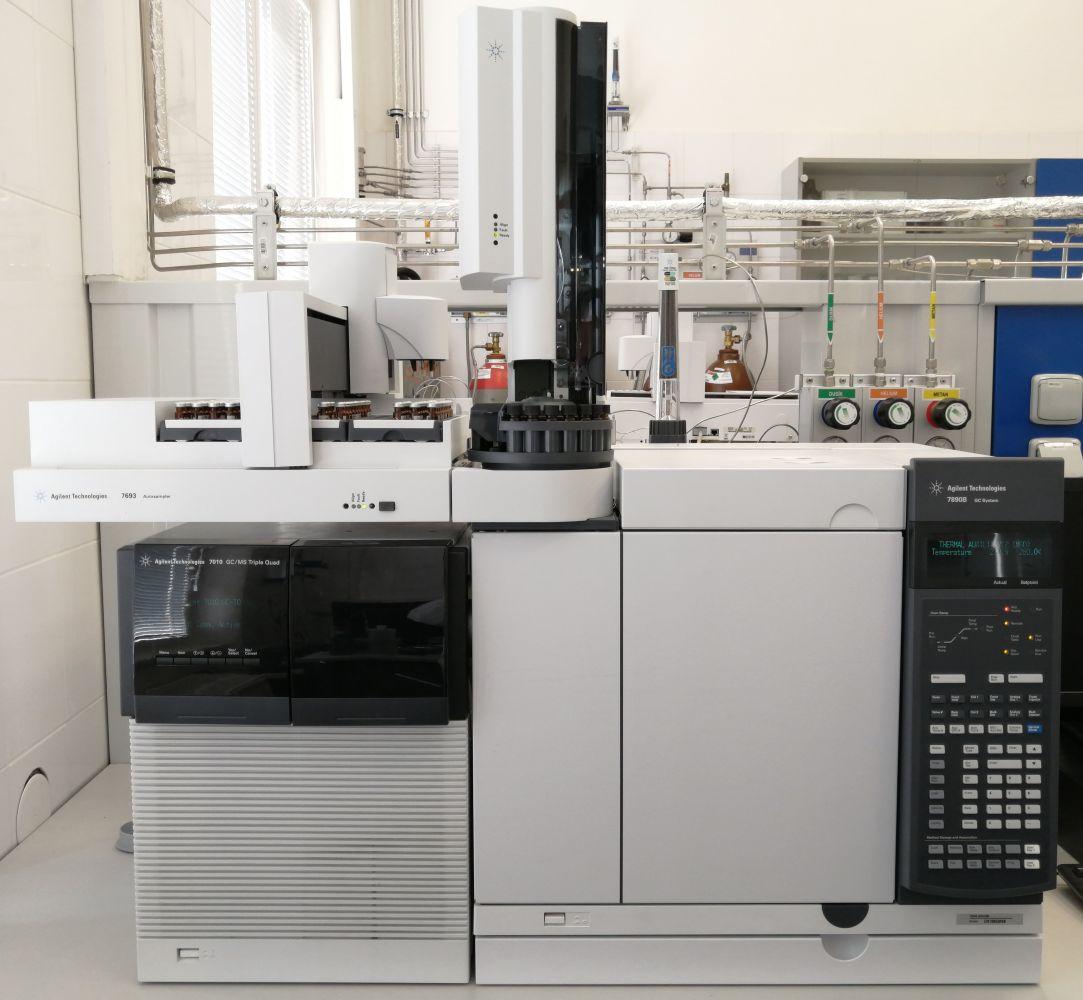 GC-MS/MS Agilent 7010 Triple Quadrupole
The last generation of gas chromatography coupled to tandem mass spectrometry (triple quadrupole) is employed for the analysis of pesticide residues in a wide range of foodstuffs (e.g. fruit, vegetable, tea, cereals) and environmental samples. This instrument allows to measure more than 300 pesticide pesticides in less than 30 minutes in one run. Its high-efficiency electron impact ion source produces at least 20 times as many ions as the previous generation, improving the efficiency of the entire workflow.
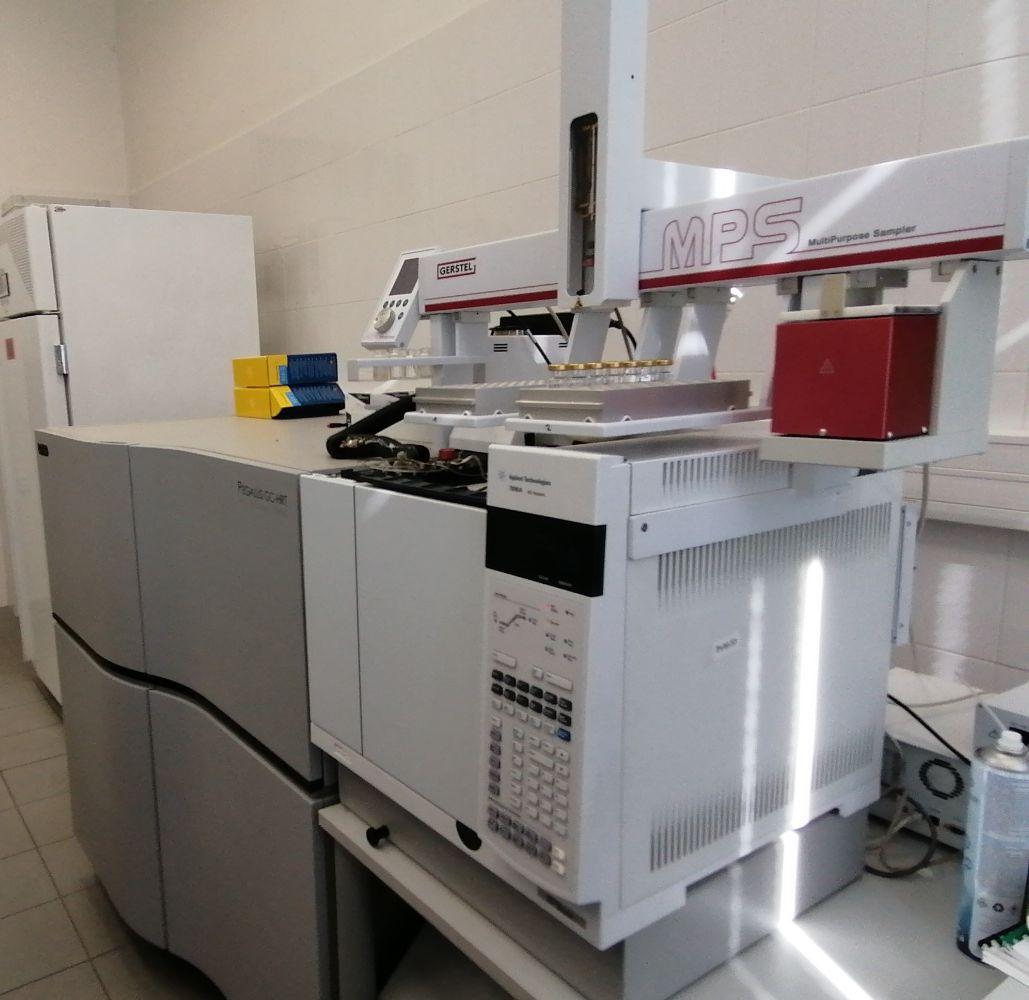 GC-HRMS Pegasus HRT (LECO)
Gas chromatography coupled to high resolution mass spectrometry (time of flight analyzer) enable resolution of 50,000 FWHM and mass accuracies less than 1 ppm is used for target and non-target analysis of volatile and semi-volatile compounds. This technique is equipped with a fully automated device for solid phase microextraction (Gerstel). GC-HRMS Pegasus HRT is employed for non-target analysis of volatiles in variable samples, for a routine analysis of furans or dithiocarbamates and for a practical training of students.
Publications
Gracka A., Raczyk M., Hradecky J., Hajslova J., Jeziorski S., Karlovits G., Michalak B., Bąk N. and Jeleń H.: Volatile compounds and other indicators of quality for cold-pressed rapeseed oils obtained from peeled, whole, flaked, and roasted seeds. European Journal of Lipid Science Technology (2017) 119 (10). (doi:10.1002/ejlt.201600328)
Hradecky J., Kludska E., Belkova B., Wagner M., Hajslova, J.: Ohmic heating: A promising technology to reduce furan formation in sterilized vegetable and vegetable/meat baby foods. Innovative Food Science and Emerging Technologies (2017) 43: 1-6. (doi: 10.1016/j.ifset.2017.07.018)
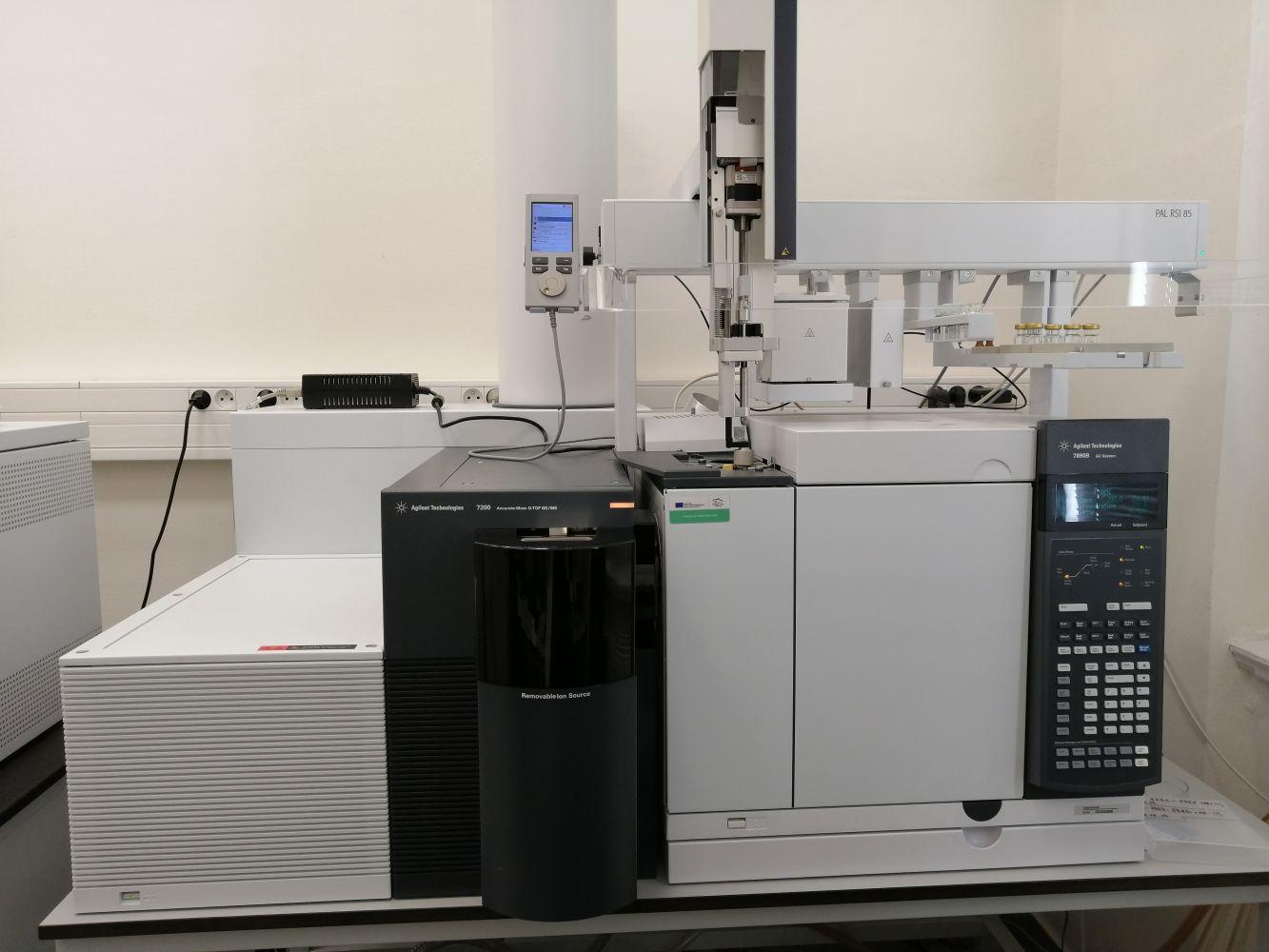 GC-HRMS Agilent 7200b
Agilent 7200b is a system consists of gas chromatography and high resolution tandem mass spectrometry (quadrupole-time of flight analyzer). This instrumentation is mostly applied for non-target analysis (e.g. determination of Scotch whisky authenticity) as well as for target analysis (e.g. chlorinated paraffins in foodstuffs and biological samples, pesticide residues in foodstuffs, terpenoic compounds in cannabis and cannabis products and determination of spirits quality). This instrument is also equipped with fully automated device for solid phase microextraction and chemical (positive/negative) ionization. Agilent 7200b is also used in student laboratory courses.
Publications
Stupak M., Goodall I., Tomaniova M., Pulkrabova J., Hajslova J.: A novel approach to assess the quality and authenticity of Scotch Whisky based on gas chromatography coupled to high resolution mass spectrometry. Analytica Chimica Acta (2018) 1042:60-70. (doi: 10.1016/j.aca.2018.09.017)
Stupak M, Kocourek V., Kolouchova I., Hajslova J.: Rapid approach for the determination of alcoholic strength and overall quality check of various spirit drinks and wines using GC–MS. Food Control (2017) 80: 307-313 (doi: 10.1016/j.foodcont.2017.05.008)
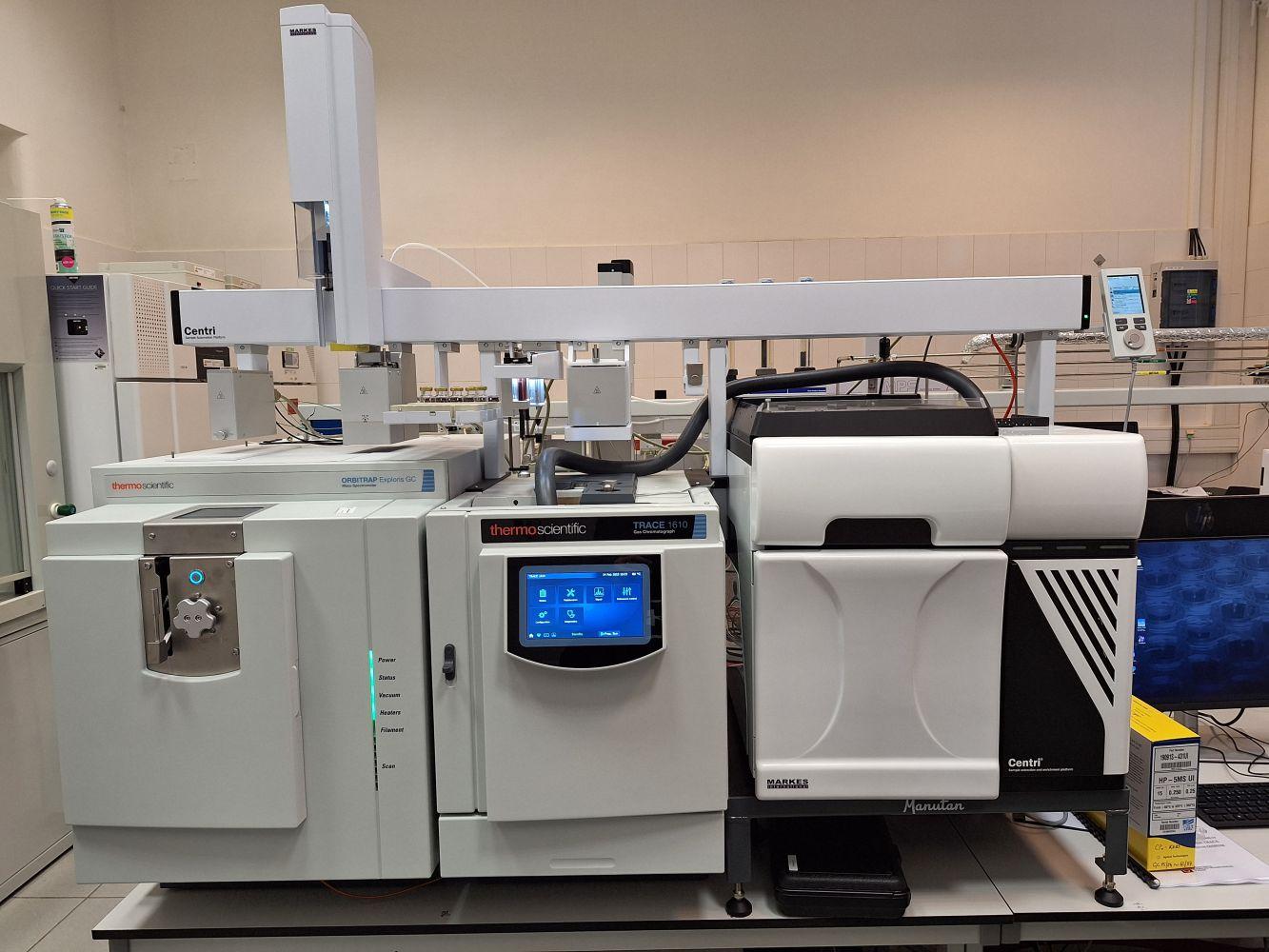
Gas Chromatography and Mass Spectrometry Platform
GC-HRMS Orbitrap Exploris
This gas chromatography system, coupled with high-resolution tandem mass spectrometry (quadrupole/Orbitrap), includes a Centri unit for automated sample preparation. This unit enables sampling techniques including Hi-Sorb, thermal desorption, solid-phase microextraction, and headspace sampling. The instrumentation is used to analyse chemical contaminants in food (pesticides, environmental contaminants) and for metabolomic studies and aroma identification, not only in food commodities but also in environmental and biomonitoring samples.
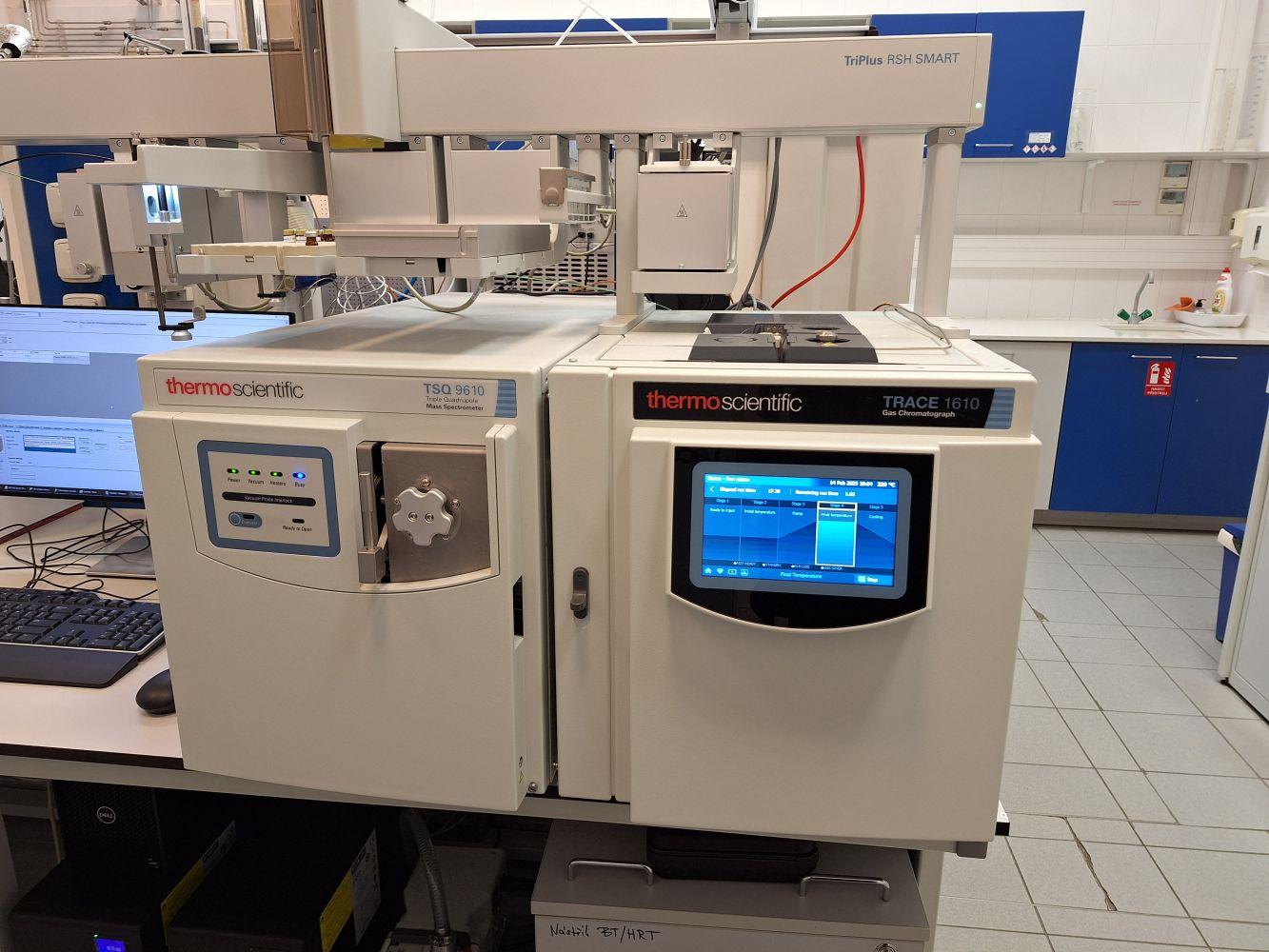 GC-MS/MS TSQ 9610 Triple Quadrupole
This gas chromatography system, coupled with triple quadrupole tandem mass spectrometry and equipped with both electron and chemical ionisation, is used for a wide range of analyses, such as determining substances with allergenic potential in cosmetics and performing multiresidue analysis of pesticides and environmental contaminants. The instrument is also equipped with a solid-phase microextraction unit, enabling automated sample preparation for analysing volatile compounds, such as furan and its derivatives in food, or pesticides from the dithiocarbamate group.